
Not long after Rachel Leeman gave birth, she remembers looking down at the baby girl in her arms and feeling not just love but rage. In that moment, she realised she’d subconsciously buried decades of resentment towards her parents – and becoming one herself unleashed it.
“It hit me like a tonne of bricks. I was sitting there holding my daughter and thinking… oh my god, how did my parents allow themselves to do what they did to me and my brother?” she says.
“I couldn’t imagine looking at this child and being like, ‘I'm only gonna see you on weekends’, or ‘I'm going to give you all the responsibilities of being the adult in the house’.”
Rachel grew up on Long Island, Nova Scotia – a spit of land off Canada’s east coast. She recalls a happy childhood before her parents separated when she was eight, but things changed when she chose to live with her fisherman dad. She describes becoming “parentified” and tasked with looking after both their home and her younger sibling.
“My dad would go on a boat very early in the morning, so I would be responsible for getting us up and ready for school, making sure all the laundry and dishes were done, coming home and cooking supper,” she says. “I didn't really have many opportunities to be a kid or hang out with my friends or be part of many activities because of the financial and responsibility sides of things.”
Her mom, meanwhile, had moved to the mainland and was struggling to look after herself, says Rachel. But they spoke on the phone daily and saw each other every other weekend. She says at the time she wasn’t resentful about the situation but planned to leave home as soon as she could.
After graduating from high school, Rachel went to college three hours away and distanced herself from her family, particularly her dad, who struggled with alcohol. She got a degree, started work and in 2011 welcomed her first baby, a period that also ignited anger over her upbringing.
“It was tough because that started to stir up resentment towards my mom that I didn't really have before that point,” she says. “I put up a little bit of a wall; I could feel myself pulling away because I was angry. It wasn't something I’d felt before about our relationship really.”
It was almost by accident that at her wedding a year later, Rachel’s journey to understanding her past began. She was gifted a ring by her great aunt Marnie that had belonged to a woman Rachel had never heard of: her 2x great grandmother Blanche Cann. When she saw an old photograph of her for the first time a few months later, something clicked.
“Something about that picture…” she trails off. “I was like, ‘holy moly… this woman, there's something there’."

Armed with an Ancestry subscription and Marnie’s recollections of family lore, Rachel began researching. She discovered Blanche was born in 1879 in Appledore, in Devon, England, orphaned by the age of six and later also lost a brother. She became a rectory servant before marrying Charles Kell and having two daughters, Florence and Phyllis.
Then in 1913, the family emigrated to Canada and settled in Ontario. But tragedy struck when Florence, now 14, died of influenza.
“Aunt Marnie said Blanche was very hard on Phyllis because she had a learning disability – she was perhaps dyslexic,” says Rachel. “And from what I understand, Blanche said to Phyllis something along the lines of, ‘it should have been you and not Florence’ [who died]."
Phyllis’ adulthood was no less traumatic. Of her seven pregnancies, only three survived and she would go on to outlive two of them: Timothy drowned when he was 11 and Patricia, who’d had pioneering surgery to fix a hole in her heart as a child, died at 36.

Phyllis’ husband Stanley Maguire, meanwhile, fathered a child overseas while serving in the Second World War – a source of shame for her mother, according to daughter Marnie. Nevertheless, his sudden death from a heart attack devastated Phyllis, after which she developed a life-long addiction to prescription medication.
“Motherhood and being a wife was Phyllis’ entire life and so many things around that didn't go well,” says Rachel. “I can’t say how she felt but I can just imagine she probably didn’t have a lot of self-confidence.”
Patricia’s short life was also fraught. Her childhood was fractured by illness and her adult years punctuated by health issues. At 18 she had Rachel’s mom, then two years later, a second daughter, Margaret, who died within a week.
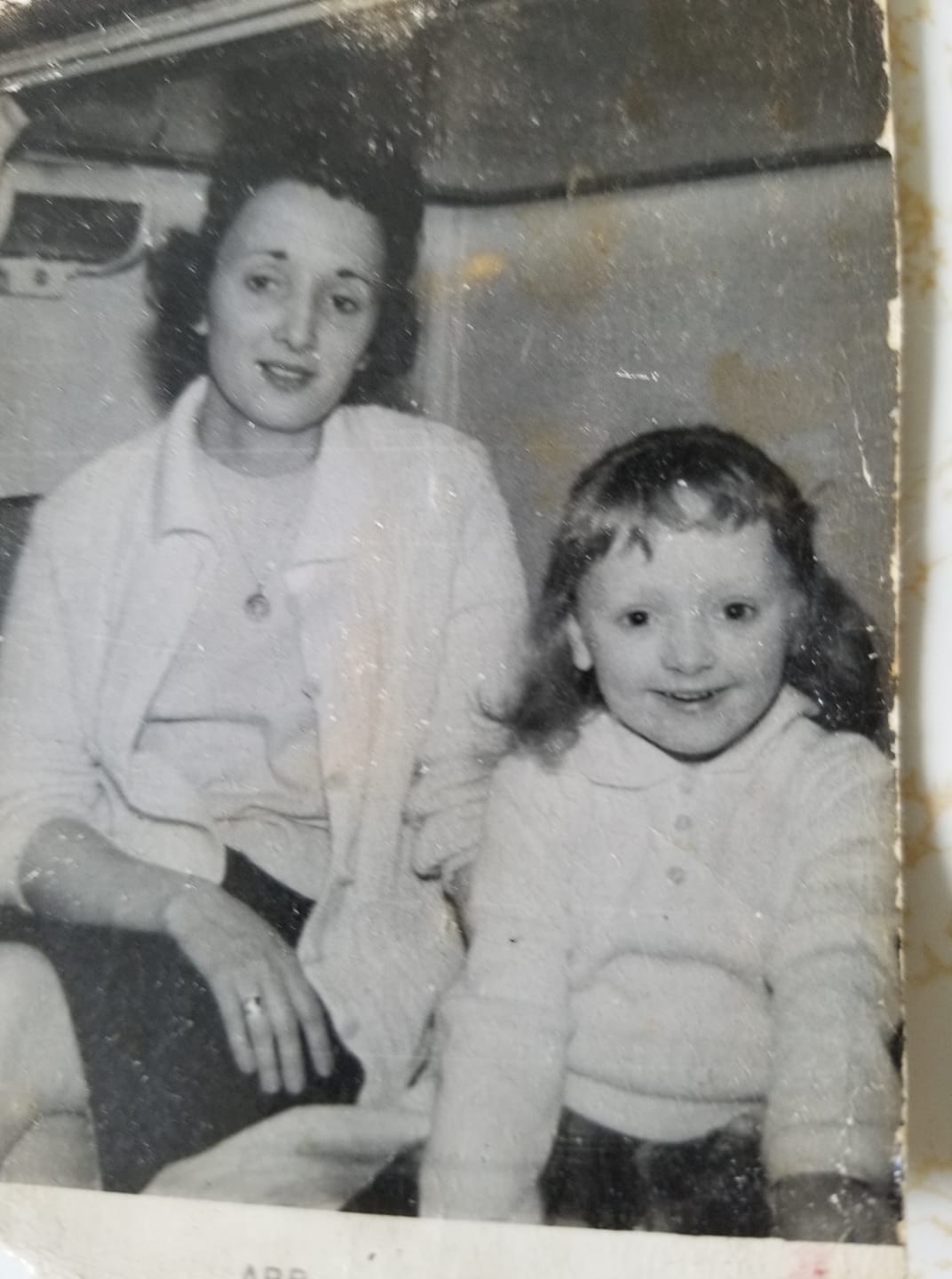
When she divorced her husband, Paul Elliot, Rachel’s mom instead lived with Blanche and Phyllis, and it was through them that she learned Patricia had died of heart failure, in 1975 – something she has only recently, 50 years later, spoken to Rachel about.
“Mom was very young – 17. She said she remembered them telling her and she lost it, started crying, ran out the door,” says Rachel. “When someone eventually found her, they yelled at her for taking off. I don't think it was the warmest and most supportive environment – I don't think there was a lot of affection.”
Despite the sorrow, learning about her ancestors and what they endured has been illuminating for Rachel.
“I had no idea each of these generations had gone through these horrible things and just left to figure it out,” she says. “They were given medication from their doctor, nobody talked about it to deal with it, so it just never got better, it just compounded over the generations.”
The idea that trauma can be inherited is gaining traction. Experts suggest psychological wounds can be passed from one generation to the next, presenting as learned behaviours, silence and suppression.
Rachel says even though she’d had therapy, she sometimes sees her own experiences reflected in her parenting. But researching her family history has also given her perspective.
“Realising just how much my family has been through has made me take a step back and understand we're all responsible for how we behave,” she says.
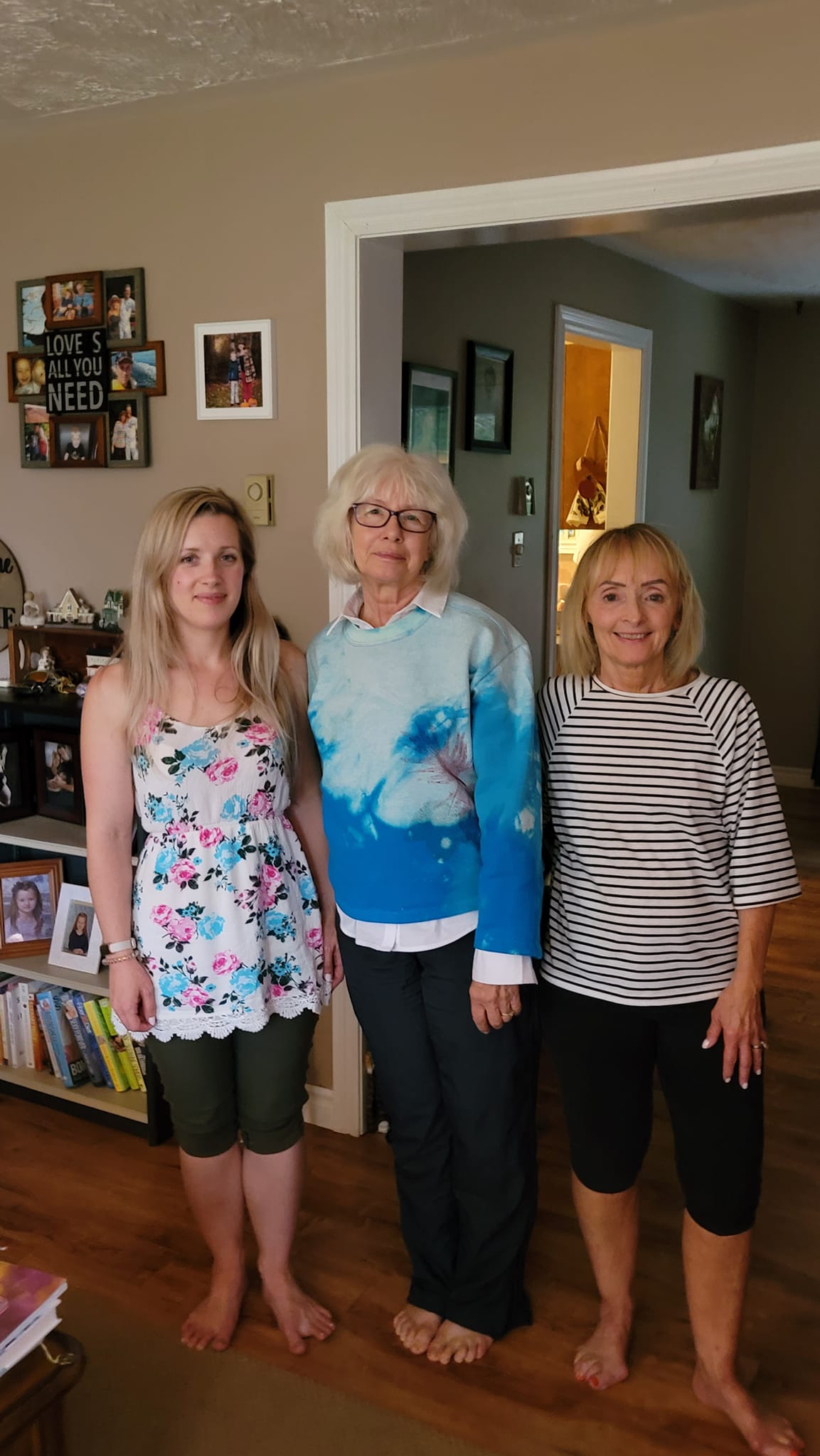
She adds that it’s given her a greater sense of empathy towards her mom and the women before her – something she encourages other family historians to think about when confronted with the experiences of their forebears.
“It’s about keeping an open mind and not being judgmental based on the little bit that you can find in genealogy,” says Rachel, now 40.
“It can help us understand the way we are but it doesn’t give us the full picture – it’s just a small piece of the puzzle. So I try not to make assumptions and remember there’s a person behind the photo or the document.”
Rachel adds the experience has also given her strength and points particularly to Blanche as an inspiration.
“I have a picture of her on my shelf and I look at her and think ‘despite your faults, you were a strong person’, and that's what I'm striving to be.”


