House history draws on disciplines and sources that are already familiar to family historians. Whether you’re focused on the building itself or the people who lived inside, you’ll need to look for answers in the census, wills and probate material, directories and rate books, tax records and valuation surveys. Alongside are resources you may not have used before, such as the land registry, title deeds and manorial records. Each has its own strengths, limitations and pitfalls. Deeds, for example, can help you trace the owners and occupiers of a house. However, older deeds may have disappeared, because the 1925 Law of Property Act limited the need for evidence of title to 30 years.
All sorts of useful riches may be deposited with the local county record office, or hidden away in library, university, private and business archives. Indeed larger libraries often have rare local-history titles and pamphlets, as well as original maps, rate books, directories and old photographs of your house. Many of these image collections are now being digitised, although the amount online varies considerably.
In the popular BBC Two series A House Through Time, historian David Olusoga researches the history of an ordinary house, revealing the fascinating, shocking and touching stories of its inhabitants. The programme has inspired many people to find out more about the previous residents of their home.
When you've uncovered the history of your old house, find out how to restore it with this guide from Homes & Antiques
The best websites to find out how old your house is
1. TheGenealogist
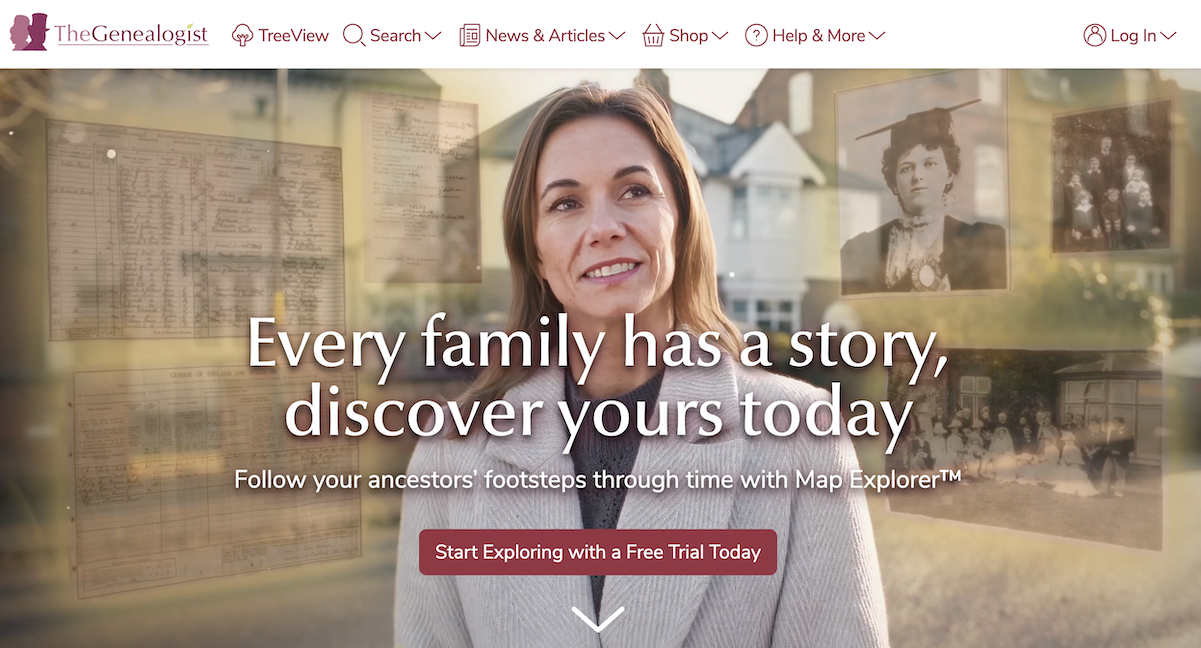
TheGenealogist scores over its commercial rivals for house history thanks to a handful of key resources, and the way you can find them using its ‘Map Explorer’ tool. Highlights include digitised tithe maps and apportionments held at The National Archives in Kew. Maps showing all land and properties on it were drawn up with accompanying apportionments listing owners and occupiers, acreage, type of cultivation and its tithe valuation. These sit alongside the ‘Return of Owners of Land’ survey (1873–1876), which listed individuals who owned more than one acre of land, and the Lloyd George Domesday Survey maps linked to field books. Although records are currently most complete for London, other areas and counties are being added.
2. The National Archives
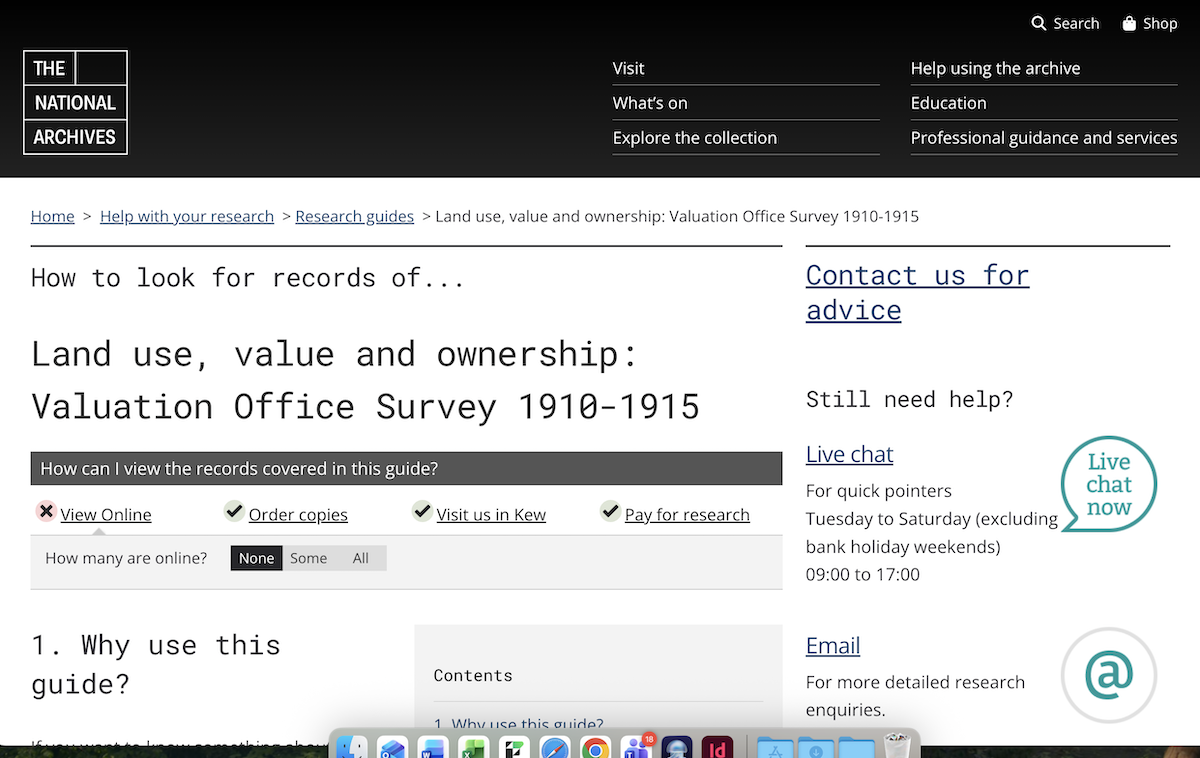
The information collected by the Valuation Office Survey of 1910–1915, also known as the Lloyd George Domesday Survey, was meant to be used to levy a property tax – although that never actually happened. The vital records that it left behind are in the form of maps and ‘field books’. You start with the map to help you find the field book, which can give you details of the owners, occupiers, extent of the land or property, its market and rateable value, dates of former sales, a brief description and even a sketch map of outbuildings. There are also other guides relevant to house history, and TNA’s catalogue can help you find records elsewhere.
3. National Library of Scotland
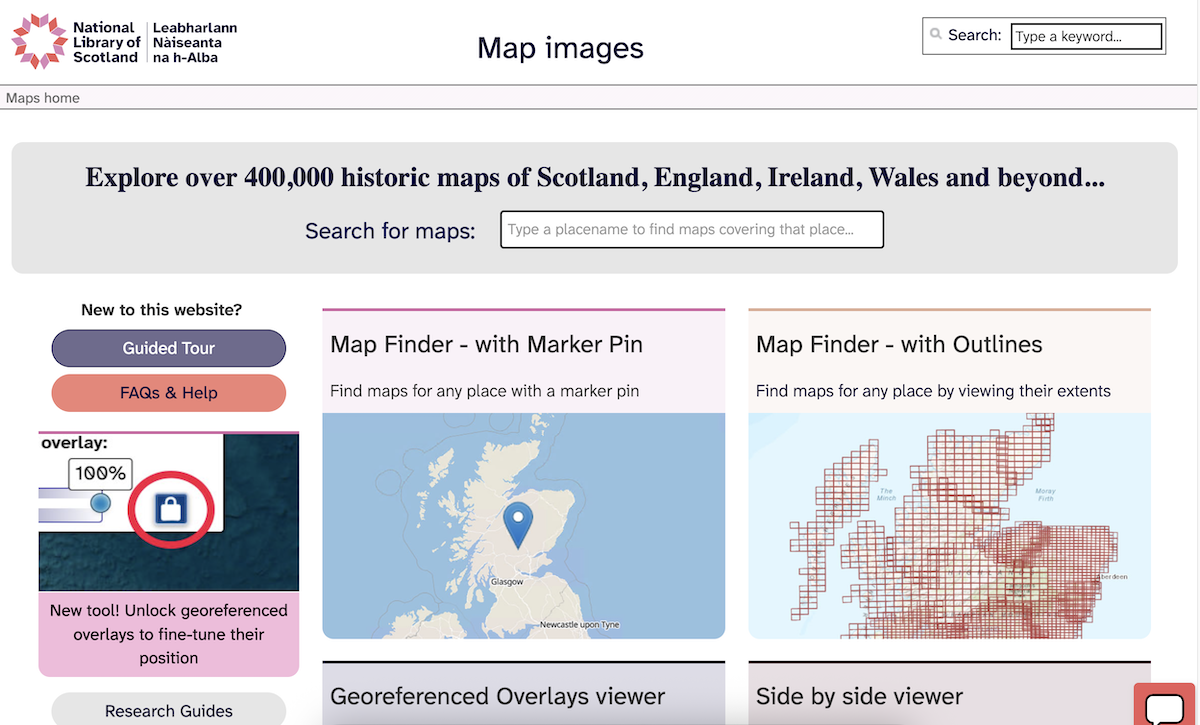
This free site from the NLS contains a vast array of old maps covering all of the British Isles, not just Scotland. The easiest way to discover what’s here is to drop a Marker Pin via the Map Finder, which will lead you to all of the material for that location. This includes tithe and valuation maps, plus the most detailed Ordnance Survey maps that reveal individual houses and outbuildings. If you’re trying to determine the age of your house, you can travel backwards in time until the house no longer appears, giving you a rough construction date.
4. Historic England
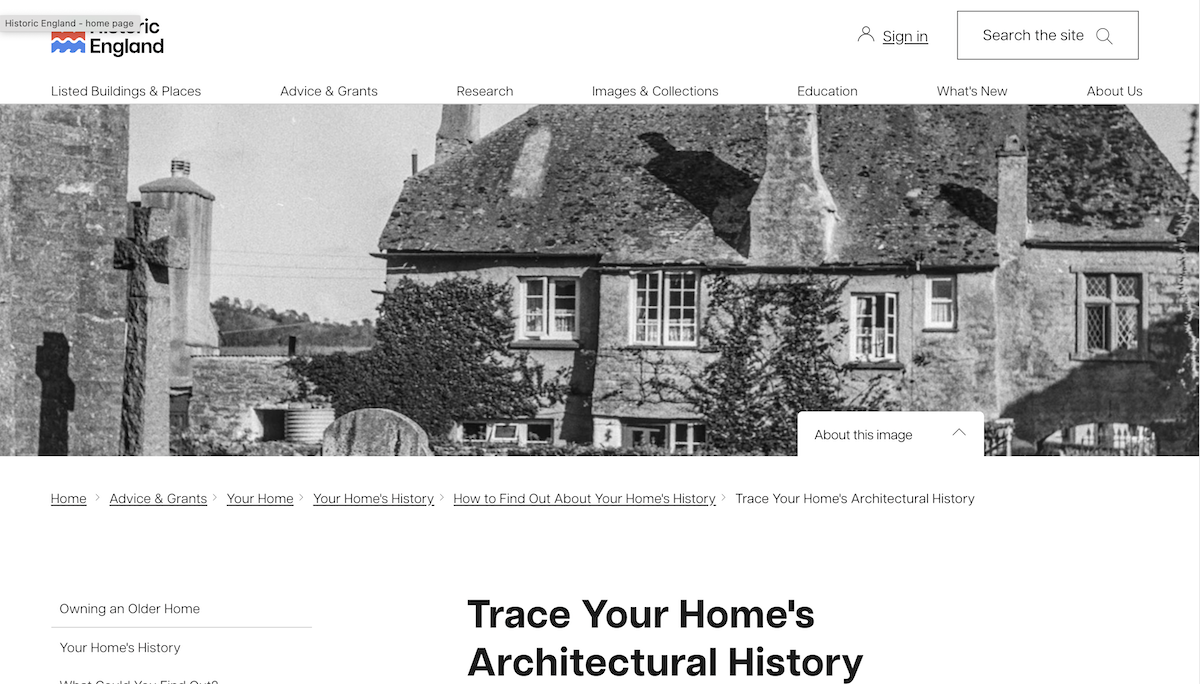
Historic England’s ‘History of a House’ webpage collates various tips, focusing on maps and plans, tax and rate assessments, probate material and sale catalogues. Meanwhile the ‘England’s Places’ section is home to a vast collection of photos from the 1850s to the 1990s, known as the ‘Architectural Red Box Collection’. They originated in 1941 when the National Buildings Record began to document built heritage, and were stored in distinctive red boxes. You can search by place name and read any handwritten details on the reverse of the image – such as building name, date and photographer.
More house history websites
5. Britain From Above
This website is based around a collection of 95,000 aerial photographs, the majority taken between 1919 and 1953.
6. British Association for Local History
Here you’ll find links to websites of local groups and one-place studies, many of which will have their own links section that you can dig into.
7. British Newspaper Archive
Find advertisements for houses for sale or let in old newspapers, sometimes including detailed descriptions of the building.
8. National Library of Ireland
The NLI’s catalogue contains references to more than 150,000 photographs, of which about half have been digitised.
9. National Library of Wales
View digital versions of some of the NLW’s photographic collection. There’s also the Welsh Tithe Maps website.
10. Society for One-Place Studies
The society’s website includes a map where you can find registered one-place studies.
11. Special Collections Online
Here you’ll find a huge collection of directories, which can be invaluable for getting to grips with changing streets and house numbers.
12. West Yorkshire Archive Service
The archive looks after memorial copies of more than seven million deeds, which cover from 1704 to September 1970.