Forenames are a funny business. As a parent, I remember countless days worrying about what my children were going to be called. Should we honour family members or family traditions? Should we be influenced by current trends, or try to come up with a name that would somehow give our children a competitive edge in the world? And when my first child was born, it felt so odd giving her a name that we just called her ‘baby’ for the first couple of days. If the number of websites and books dedicated to the subject are anything to go by, parents still struggle with the challenge of naming their children and the diversity of choices has massively increased.
From Fifi to X AE A-Xii
I’m old enough to remember the public dismay over singer–songwriter Bob Geldof’s selection of names for his daughters in the 1980s. Now, however, I suspect his choices of Fifi Trixibelle and Peaches Honeyblossom wouldn’t raise an eyebrow in a nursery, although perhaps the name X AE A-Xii chosen by tech billionaire Elon Musk for one of his sons still pushes the boundaries of forenames, to say the least.
Mind you, Victorians weren’t above raising a few eyebrows with their name choices. Four children are recorded as being given the biblical name Mahershalalhashbaz in 19th-century civil records, with the name also appearing occasionally as a middle name. Not only was it a mouthful, but it invariably resulted in a certain amount of ridicule in the newspapers.
- Genealogist reveals the most unusual name he's come across in records
- 10 of the weirdest names in history
- The most popular baby names in England and Wales for 2025 revealed
This desire for uniqueness is a move away from more traditional naming patterns where first or second (or even third or fourth) names were chosen to mark family connections. In Scotland, traditional naming patterns were a lot more common, making forenames a useful tool for family historians. Traditionally, the first son was named after the father’s father, the second son was named after the mother’s father, and the third son was named after the father. For daughters, the first was named after the mother’s mother, the second after the father’s mother, and the third named after the mother.
Middle names can also be a clue to family connections, especially those that sound like a surname. Sometimes a wife’s maiden name becomes a child’s middle name. In my family, my great grandfather decided to honour his mother’s maiden name by giving all of his children the middle name Somerville and the tradition continued for generations, making it easy for me to find family and confirm connections.
Forenames can also supply clues about the parents’ interests or backgrounds. Finding an unusual name such as Cinderella, Esmeralda or Goliath could be a sign that you have Romany Travellers in your ancestry. And early nonconformists liked to name their children (particularly daughters) after virtues such as Grace, Charity, Mercy, Patience and Temperance, although some of these names gained later popularity outside the nonconformist community.
Just as now, parents were often influenced by celebrities and royalty. Albert became a very popular choice after Queen Victoria’s marriage in 1840, and Florence soared up the naming charts after Florence Nightingale’s work as a nurse during the Crimean War (1853–1856) turned her into a celebrity. Interestingly, she was named after the Italian city where she was born and it’s certainly worth investigating the reason if a place name is used as your relation’s forename.
Fictional names
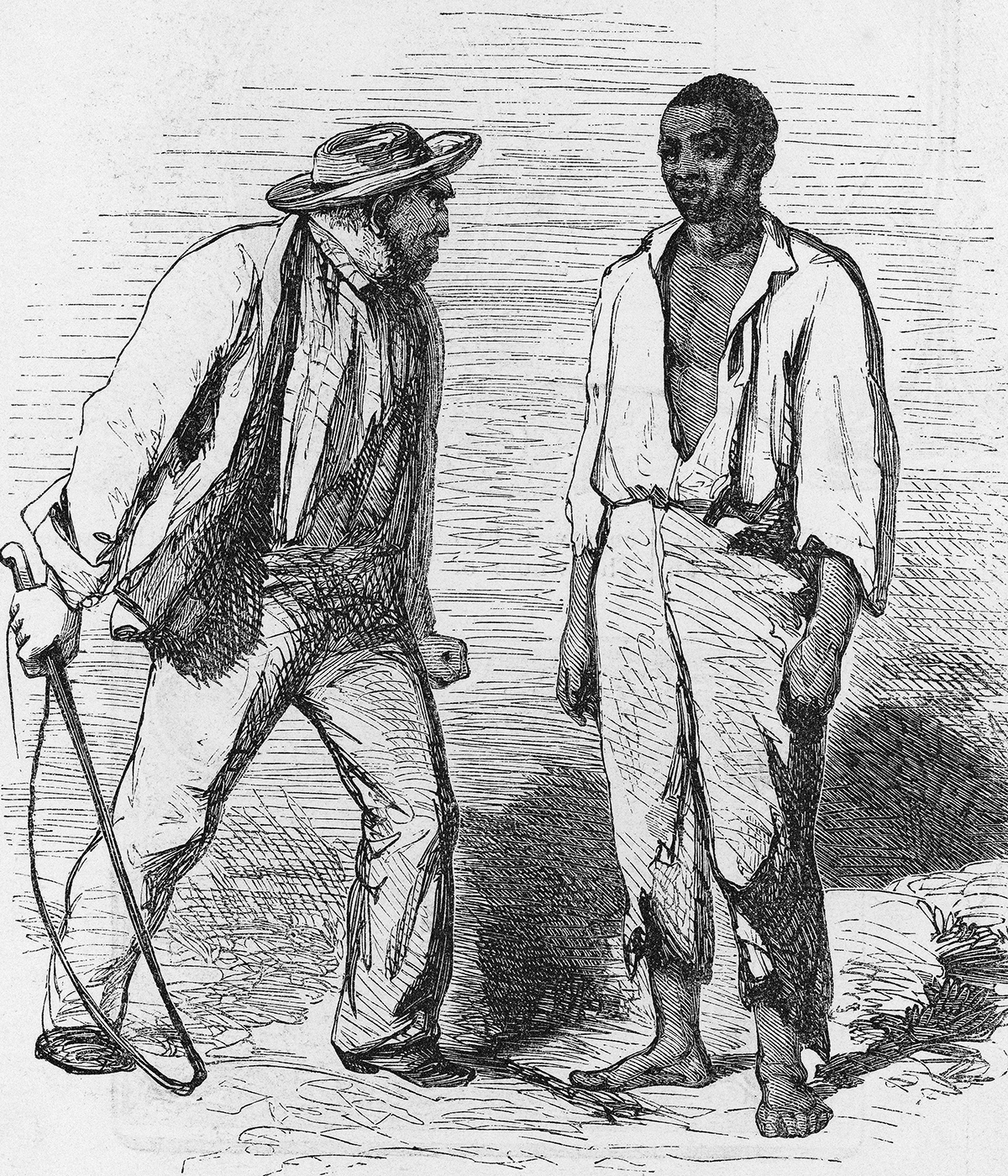
The names of fictional characters in popular books also often influenced the parents’ choice. For example, US author Harriet Beecher Stowe’s anti-slavery novel Uncle Tom’s Cabin (1852) was hugely popular in Britain, arguably more so than in her own country, and the angelic Eva inspired a wave of popularity for a name that almost didn’t exist before the book’s publication.
Although boys’ names tended to stick to traditional options in the Victorian era, the end of the 19th century saw a literal flowering of options for girls as names such as Rose, Daisy, Iris and Violet became popular.
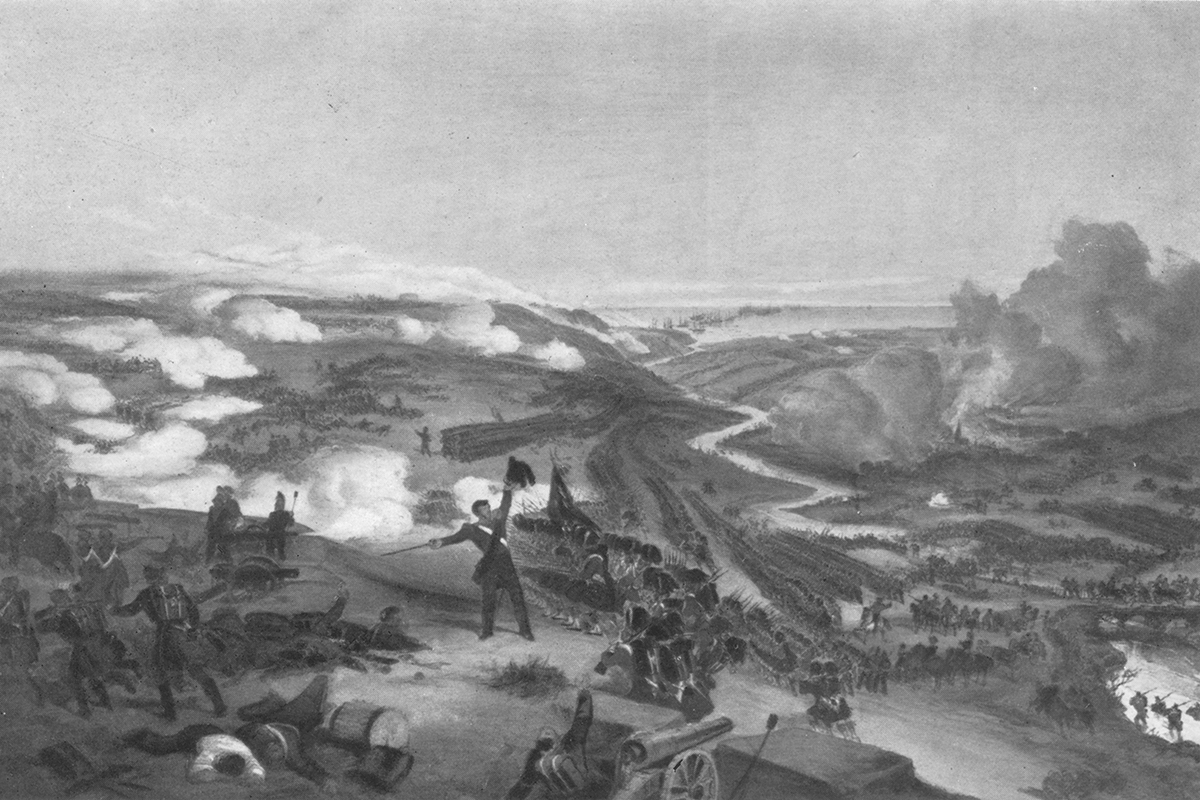
Events also sometimes influenced name choices, especially military battles. The Crimean War inspired a flurry of boys named Inkerman in 1855 and the girls’ name Alma soared in popularity in 1854 as well, remaining popular for decades. Although baby-naming websites refer to Latin and Hebrew meanings for the name Alma, it was a bloody battle on the Crimean peninsula in 1854 that first introduced the name to the British Isles.
Similarly, the Second Boer War (1899–1902) has left a legacy in names chosen around the turn of the 20th century. Ladysmith and Mafeking appear as first and middle names. The Battle of Majuba Hill (1881) encouraged at least two families with the surname Hill to name a child Majuba. In fact, there is probably a circle of hell dedicated to parents who choose a forename that combines comically with their surname – FreeBMD reveals numerous children named Rose Bush and Arch Bishop, for example.
When it comes to battle names, the First World War had the biggest impact, from Arras and Ypres to Verdun and Vimy (both as first and middle names). It is tempting to assume that battle names were given in remembrance of someone who died on the field, but that is not always the case.
During her 2020 episode of Who Do You Think You Are?, actor Jodie Whittaker was told by her father that her grandmother was given Verdun as a middle name in honour of her brother Walter who died during the battle. Unfortunately, the family story was disproved, and it seems more likely that the name was given simply because it was popular at that time.
Crucial context
Knowing the history and customs behind forenames can be a useful tool for family historians. For example, in the past it was not unusual for a person to use a middle name as their main name, with their official first name only appearing in their birth or baptism record.
Others used their names flexibly, switching from their official first name for more formal records, such as marriage registers, to their commonly used name in, say, census records.
It also helps to understand the use of diminutives or shortened names when looking for people in the records. It may be obvious that a Charles was known as Charlie, but if you are looking for a Mary or Margaret, it helps to know that her family may have called her Molly, a Helen may have used Nellie, or a Sarah may have been known as Sally.
Whatever names our parents chose for us (or we choose for ourselves), they are more than just an identifying moniker. They reflect the time we live in, our culture and, most importantly, our family