
Tracing your family tree is a lot like detective work: you spend hours sifting through documents, piecing together clues, and solving puzzles. One of the trickiest puzzles to solve is that of the ancestor with a common surname. As a Jones from Wales, I know just how frustrating this can be. Try searching for ‘Thomas Jones’ in any 19th-century record set and you’ll quickly find yourself drowning in a sea of potential matches.
When searching for my miner great grandfather of that name, who moved to Glamorganshire from either Cardiganshire or Carmarthenshire, depending on which census he filled out, I went down several wrong paths. One particularly convincing candidate turned out to be the cousin of the man I was looking for. After a lot of hard work, and a little bit of luck, I eventually tracked the right Thomas Jones down to a small village in Cardiganshire. Along the way, I even discovered a forgotten half-brother who had witnessed Thomas’ wedding. This small detail helped confirm that I was finally on the right track.
When researching common-name forebears, a single incorrect assumption can send your research spiralling down the wrong path. That is why it’s so important to cross-check and verify every assumption and potential match.
If you’re facing a similar challenge, don’t worry – you’re not alone. Here are some practical tips and tricks I have picked up on my own research journey.
1. Create a detailed profile
When researching common-name ancestors, simply knowing their name and date of birth often isn’t enough to pick them out among all the potential matches. But despite the common name, your forebear was still a unique individual.
Create a detailed profile/fact sheet for your relation. Include everything you know about them, such as the dates of baptism/birth, marriage and burial/death; where they were born, lived and died; religion; ethnicity; and occupation(s). Also add what you know about their family members, friends, neighbours, colleagues and any witnesses on legal documents.
Don’t forget to include any family stories connected to your ancestor. While these shouldn’t be taken as fact, they often hold a grain of truth that might help. Your research may also uncover the truth behind the story.
Collating all of this information may be time-consuming, but it allows you to build a full picture of your relative’s life. It also helps highlight gaps in your knowledge, and identify new avenues of research.
Remember to keep your fact sheet updated as you go along too. This living document will quickly become an essential tool in tracing your common-name ancestor.
2. Construct a timeline
Use the information collected in your ancestor’s profile/fact sheet to create a biographical timeline. These have a range of uses. They can help you spot gaps in your forebear’s history, or reveal conflicting information. If you lack documented evidence then a timeline also helps you to estimate a date range for key life events, for example birth and death dates for your ancestor or their children.
Adding world or national events can help to put your relation’s life into a broader context, explaining migration patterns and changes in employment or lifestyle.
Timelines also serve as a useful reference guide for research trips to archives, and are an excellent way to share your findings with interested family members.
3. Look for name variations
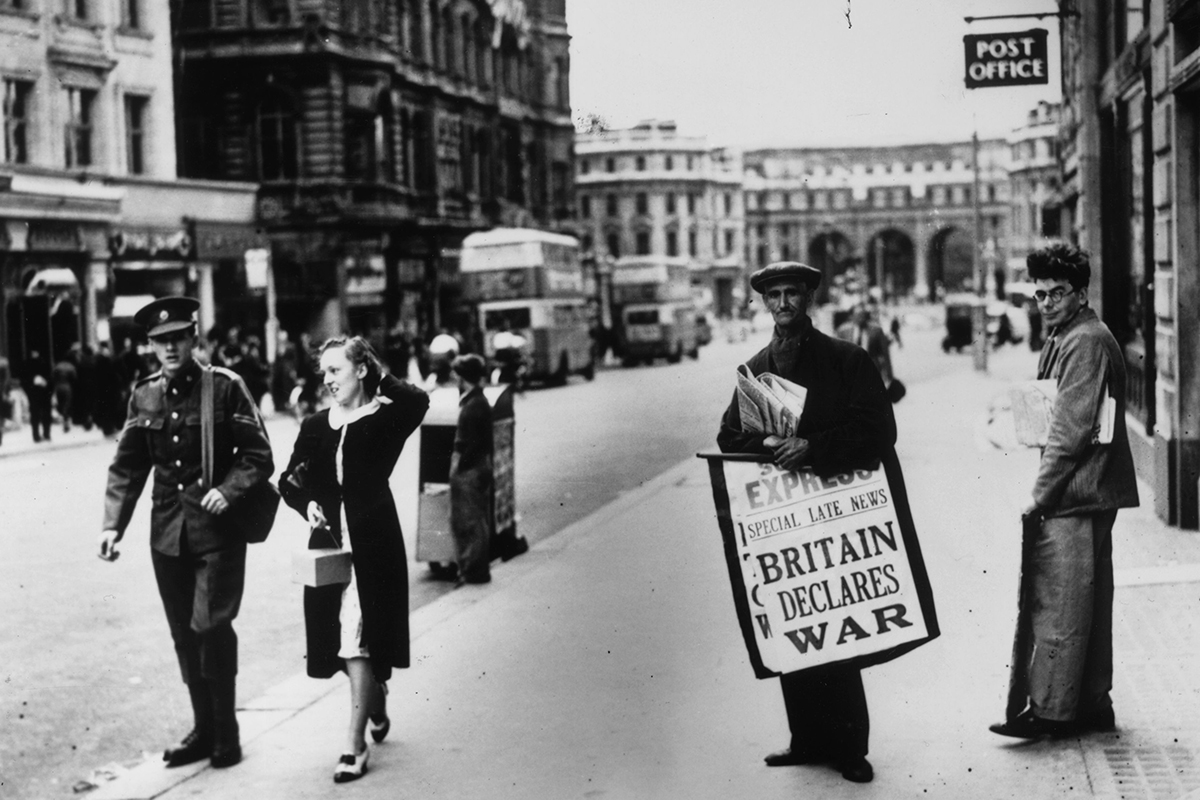
The further back you go into your family’s past, the more likely you are to encounter variations in someone’s name. Before literacy became widespread in Britain, many people were unable to spell their own name. As a result, names recorded in official documents were often spelled phonetically. This led to inconsistent spellings across different records. You should make a note of any variations you come across in your ancestor’s profile/fact sheet, and when sifting through record sets, use the different spellings or wildcards to widen the search.
In addition, if your forebear migrated to an English-speaking country from somewhere where the language wasn’t spoken, then they may have anglicised the spelling of their name. Unfortunately, whenever prejudice against people of different backgrounds was commonplace, anglicisation helped them to avoid discrimination.
Also, people didn’t always use their given name. It’s not unusual to find people using their middle name, baptismal name or even a nickname in official records. Searching for a relation using their middle name as their forename can lead to the breakthrough you are looking for.
4. Search every record set
Take the time to go through every available record set. This should include land deeds, school records, coroner’s reports, hospital and workhouse records, court and prison records, military service records, trade directories and old newspapers. All of these sources can provide insights into your ancestor’s life.
Don’t rely solely on transcripts, either – if possible, you should always look at the original document. This may contain additional information that doesn’t appear in the transcript. Also, both human transcribers and transcription software sometimes make mistakes, or omit details that may be vital.
If you’ve created a detailed profile/fact sheet of each relation, make sure you update it with any new information you learn.
5. Explore their immediate family
If your common-name ancestor is proving difficult to trace, try looking into their family unit. Immediate relations, such as their spouse or sibling, may prove to be easier to locate, especially if they have a less common name.
Finding a family member may lead you to your elusive forebear. For example, after my family moved to the industrialised Welsh Valleys, older children were often sent back to rural West Wales to help out on the family farm. Finding my relative on their grandparents’ farm allowed me to take my research back another few generations, and it also gave me a new location to research and added a new branch to my tree.
6. Investigate their community
As the saying goes, no man is an island – and the same applies to your common-name relation. If you’ve hit a brick wall with their story, try researching their community.
Begin by reviewing their profile/fact sheet and making a list of the people around them. This should include friends, business associates, work colleagues and neighbours. Researching these people and their relationships to your ancestor could reveal previously unknown familial relationships.
Relations often lived close to each other, either in the same street or in neighbouring streets. Neighbours who regularly appear in your forebear’s records could suggest a familial relationship.
Also, siblings, cousins or other relatives would often act as witnesses and godparents, while someone with a different surname who regularly appears in records and at family events could be a married sibling or cousin.
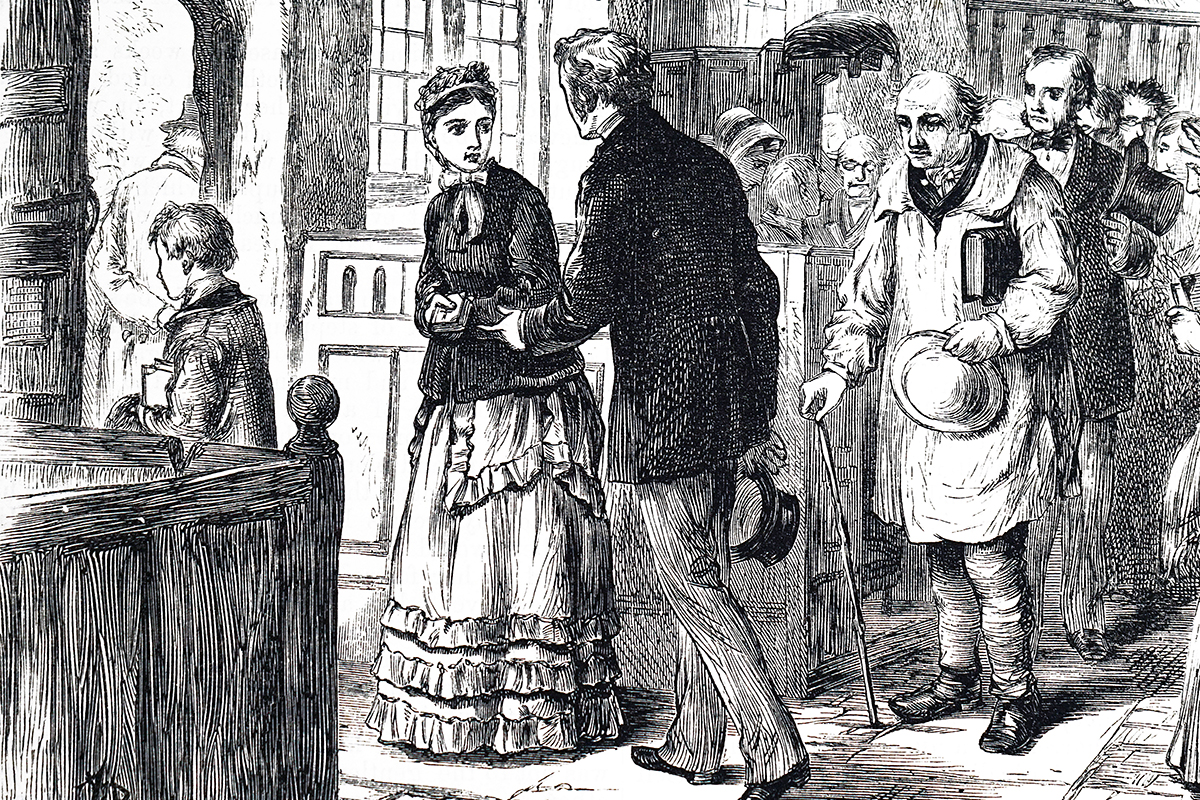
Remember to look at where your ancestor worked and worshipped as well. Many people’s social lives revolved around clubs and societies linked to their place of work or church/synagogue. Researching the people your relative socialised with might give you a breakthrough. At worst, you’ll gain a better understanding of the life that they led.
7. Research a place, not a person
If you find yourself overwhelmed with a long list of potential matches for your common-name ancestor, shift your focus from researching the person to the place. Use your forebear’s profile/fact sheet and chronological timeline to pinpoint where they lived. You can then research everyone with your relation’s surname in that area. Tracking patterns and family groups helps you identify potential matches to your family.
One-name studies can be time-consuming, especially with common surnames or densely populated areas, but they can help you open up a whole new family group.
8. Pay attention to naming patterns
Naming patterns were widely used in Britain from the early 17th century to the early 20th century. Reflecting a desire to keep family names alive, they are a useful tool for family historians.
Naming patterns not only help confirm family relationships but also eliminate incorrect leads. For example, when looking at a potential match, if the names of their siblings and parents don’t match those of people already confirmed to be in your family tree, then you may find that you’re looking at the wrong person.
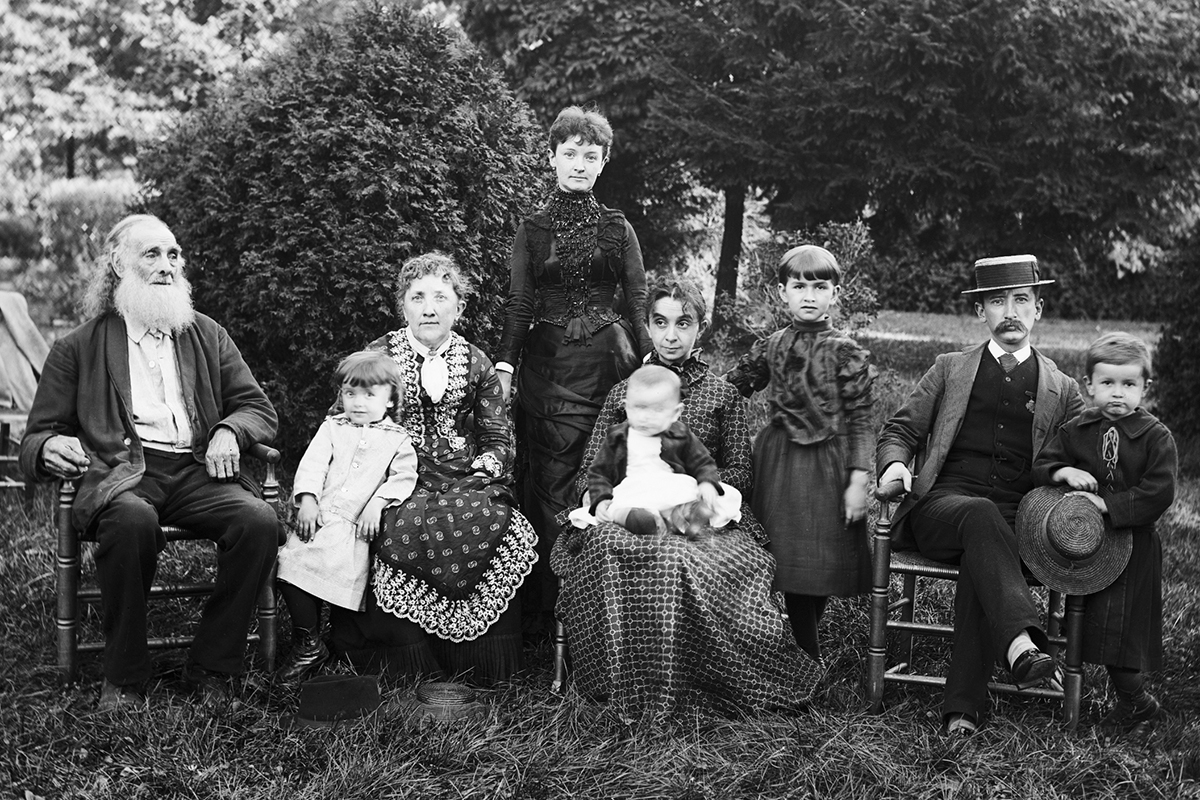
The most common British naming pattern ran as follows. The first son was named after his paternal grandfather, the second son after his maternal grandfather, the third son after his own father, and the fourth son after his own father’s eldest brother. Similarly the first daughter was named after her maternal grandmother, the second daughter after her paternal grandmother, the third daughter after her own mother, and the fourth daughter was named after her mother’s eldest sister.
Later children were named after aunts, uncles and great grandparents, while a common Scottish variation switched the order of grandparents.
Naming patterns often led to names being repeated across generations. In some cases, names were even repeated within the same generation. During my own research, I thought I’d found a match, only to discover it was actually a cousin with the same name.
High rates of infant mortality also played a part in the naming of children. A deceased child’s name was often reused for a younger sibling, particularly if it had been chosen to honour a grandparent.
Another tradition that kept names alive was to use the mother or grandmother’s maiden name as a middle name. However, as is always the case with naming patterns, ensure you back up your theories with facts.
9. Rule out everyone else
If, after all your research, you are still left with a list of potential candidates, try a technique known as ‘anti-research’. This means investigating each potential candidate, and using the information you have gathered about your common-name ancestor to rule them out. Eventually, you should be left with just one candidate: your relative.
This is a time-consuming process, but if all of the other methods have failed, it is your best option. At worst, it will help you narrow down an intimidatingly long list of candidates to a handful of potential matches.
10. Discuss your research
When you’ve spent too long researching the same individual, it’s easy to lose perspective. When this happens to me, I find it useful to talk through my research with someone else. A fresh pair of eyes can revitalise a stagnant search, spotting connections you’ve missed or asking questions you hadn’t considered.
The person you talk to doesn’t even have to be interested in family history. They just have to listen. Sometimes just talking through your ideas and research out loud helps you to reassess ideas and spot flawed assumptions.
If you haven’t got anyone willing to listen, and don’t feel like sharing your query with the magazine’s Facebook Group, try taking a break. Focus on a different branch of your family tree, or step away completely for a few days. This allows your brain to switch from focused problem-solving to a more creative mode that is likely to deliver new insight.
At times researching common-name ancestors can seem like an impossible task. However, with a little organisation, a touch of creativity, a dash of patience, and a lot of methodical research, you can break down even the firmest brick wall.


