With The Uprising, the epic new historical film about the 1381 Peasants' Revolt, due out in cinemas next month, a historian involved in a project tracing participants in the rebellion says nuance is key to understanding it.
The Uprising is directed by Paul Greengrass, the Oscar-nominated director of United 93 and Captain Phillips, and stars actor Andrew Garfield. It tells the true story of a widespread medieval rebellion by the poor of England.
Watch the trailer for The Uprising here:
A link to Robin Hood?
The film caused confusion this week when its US distributor, Focus Features, began marketing it under the title The Uprising: The Rise of Robin Hood and described it as a film about events "that helped inspire the legend of Robin Hood". However, the film's UK distributor, Entertainment Film Distributors, has said its marketing campaign will not include Robin Hood.
So - is the legendary outlaw Robin Hood actually connected to the Peasants' Revolt?
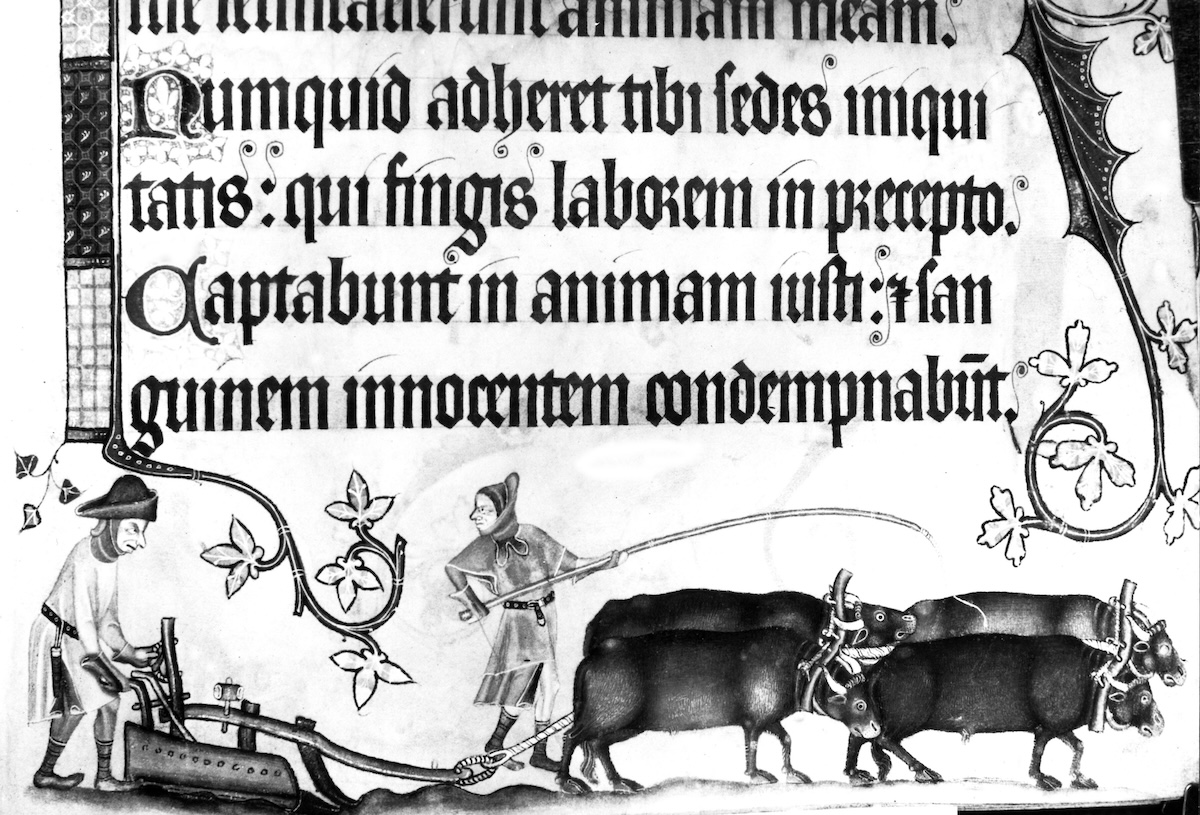
"The short answer is that there is no direct link between the Peasants' Revolt and Robin Hood," says Dr Helen Killick of Henley Business School, who was one of the researchers on the People of 1381 project, which created a database of the events, people and places involved. "However, stories about Robin Hood were part of the 14th century cultural landscape and there are several thematic links that can be drawn. The film appears to draw on the fact that one of the earliest references to stories of Robin Hood occurs in William Langland's poem 'Piers Plowman', and statements from Paul Greengrass suggest 'the Plowman' was a model for the character played by Andrew Garfield."
"Piers Plowman was apparently an important figure for the rebels," she adds. "He is explicitly mentioned in the letters attributed to John Ball [played in the film by Billy Elliot star Jamie Bell] referred to in the chronicles - although he is held up as a morally virtuous Christian and industrious member of the commons rather than a vengeful rebel as in the film."
Contemporary parallels
Having met for lunch with Paul Greengrass, in June this year, Dr Killick said she's looking forward to seeing the film: “As a medieval historian, I don't feel too troubled by things not being scrupulously accurate,” she says, in contrast to the recent opprobrium with which some classicists have greeted Christopher Nolan’s blockbuster The Odyssey.
She is excited to see what parallels the film draws with today’s political climate. “Paul told us he came up with the idea for doing a film on the Peasants’ Revolt during the pandemic. Obviously there was quite a lot of resistance to lockdown and society has, in the last decade or so, become increasingly divided and fragmented. I imagine this led Paul to think about the issues of social discontent, revolt, representation and taxation that were the catalyst for the 1381 revolt.”
Her only reservation about the film is nuance being forsaken for dramatic purposes. “I worry if nuance isn't present and it becomes too binary between the peasants and the authorities, and those who are out to suppress the revolt, or the people who are part of the systems against which they were rebelling. What we see in the records is that there's much more ambiguity than that.”
Family connections
The People of 1381 website has resulted in members of the public finding direct ancestry to participants in the revolt.
“There are some very well-informed people out there who are able to read the Latin and who contact us to say we’ve missed something,” says Dr Killick. “But we have also been contacted by people who have found a direct ancestor involved in 1381, and who have been using our site for genealogical research.”
“A lot of traditional history focuses on the ringleaders. Everyone’s heard of Wat Tyler [played by Cosmo Jarvis in the film] and maybe John Ball, but they won't know much about the ordinary people who took part.”
The Uprising is out in UK cinemas on 9 October